
Gastrointestinal Care at PRANA
Understanding Digestive Health Through an Integrated Wellness Approach
The digestive system plays an essential role in maintaining overall health. It is responsible for processing food, absorbing nutrients, supporting metabolism, and eliminating waste from the body.
Digestive health can be influenced by many factors including dietary patterns, stress, sleep, hydration, medications, alcohol consumption, physical activity, and individual health conditions.
When digestive symptoms become persistent or recurrent, understanding the underlying factors becomes important.
At PRANA, GIT Care follows an Integrated Wellness approach that considers the individual’s symptoms, health history, lifestyle, nutrition, and overall well-being.
Understanding the Digestive System
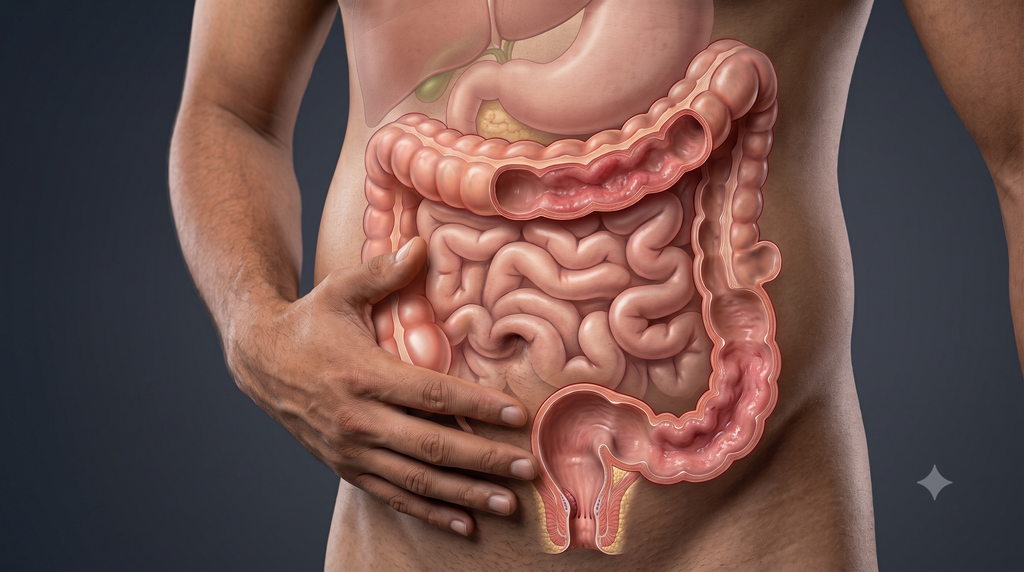
The gastrointestinal system extends from the mouth to the anus and includes the:
- Oesophagus
- Stomach
- Small intestine
- Large intestine
- Rectum
- Anus
The digestive system also works closely with organs such as the liver, gallbladder, and pancreas to support digestion and metabolism.
Because these systems are interconnected, digestive complaints can have multiple contributing factors and may present differently from one individual to another.
Common Digestive Concerns
At PRANA, the GIT Care specialty focuses on a range of digestive and gastrointestinal concerns, including:

Hyperacidity & Gastritis
Acid-related symptoms may include burning, discomfort, bloating, nausea, or indigestion. Persistent symptoms should be assessed to identify their underlying cause.
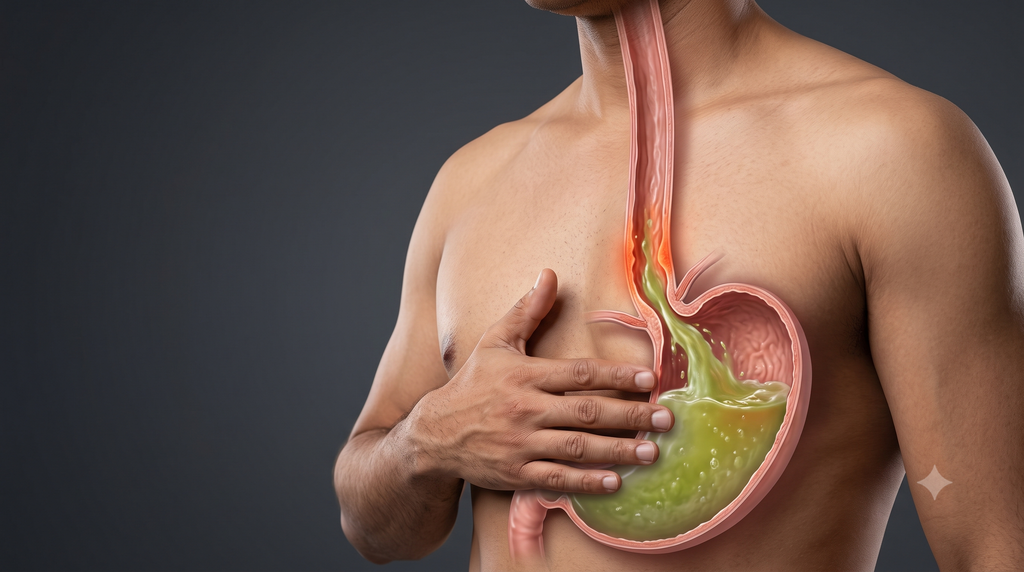
Gastroesophageal Reflux Disease (GERD)
GERD occurs when stomach contents repeatedly flow back into the oesophagus, potentially causing heartburn, regurgitation, or other symptoms.
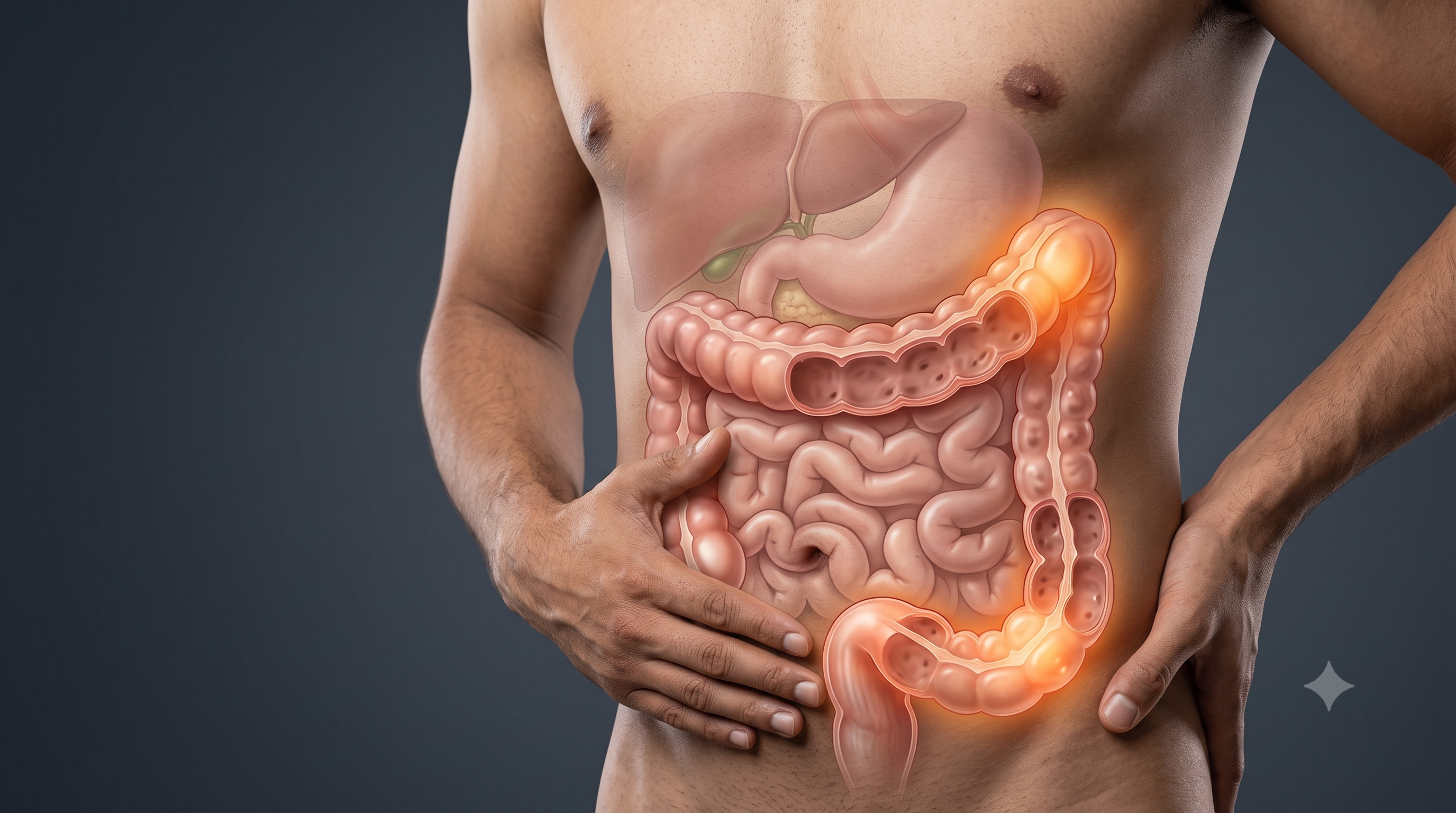
Irritable Bowel Syndrome (IBS)
IBS is a functional gastrointestinal condition that can involve abdominal discomfort, bloating, constipation, diarrhoea, or changes in bowel habits.
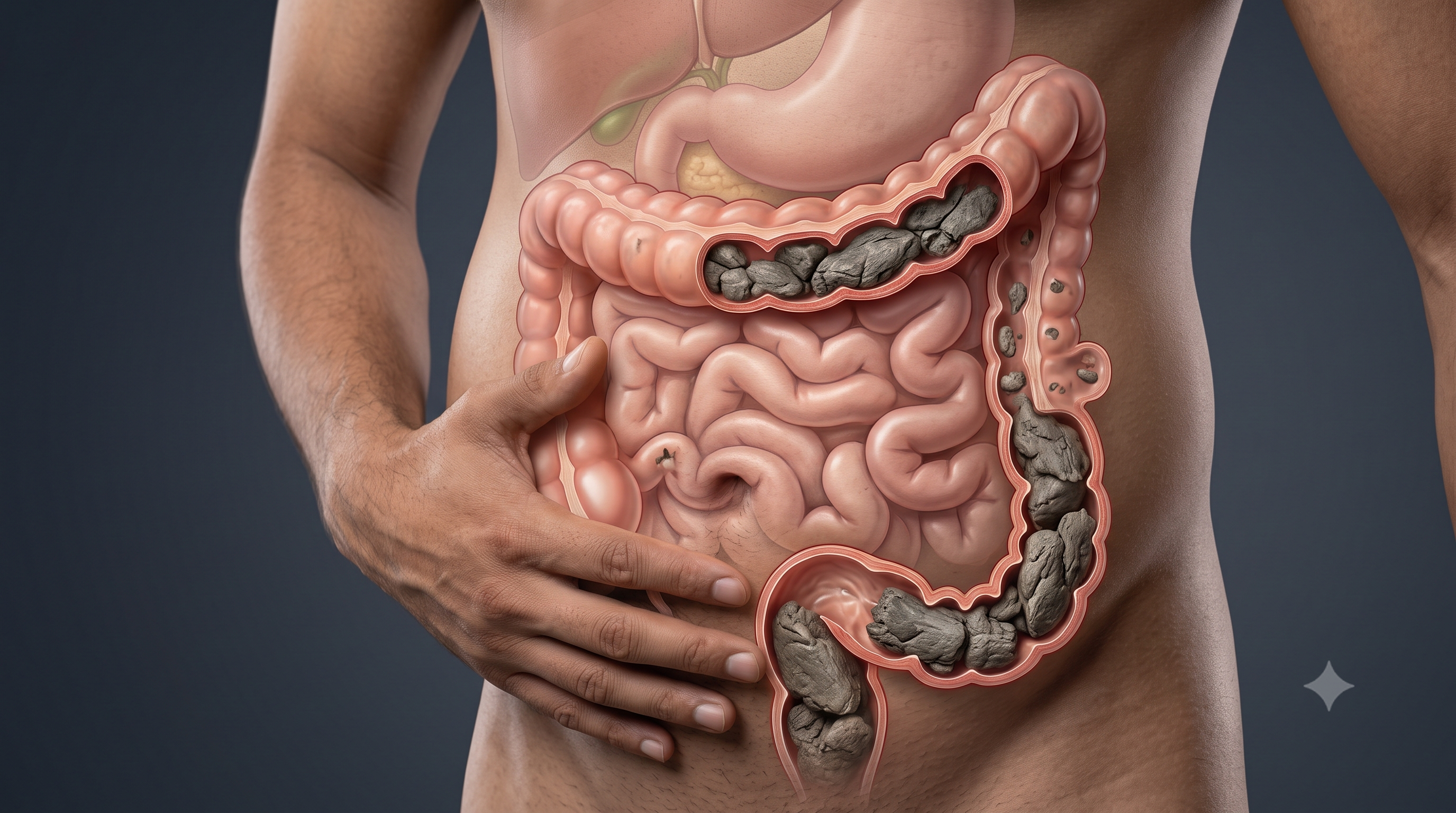
Constipation
Constipation may involve infrequent bowel movements, hard stools, difficulty passing stools, or a sensation of incomplete evacuation.
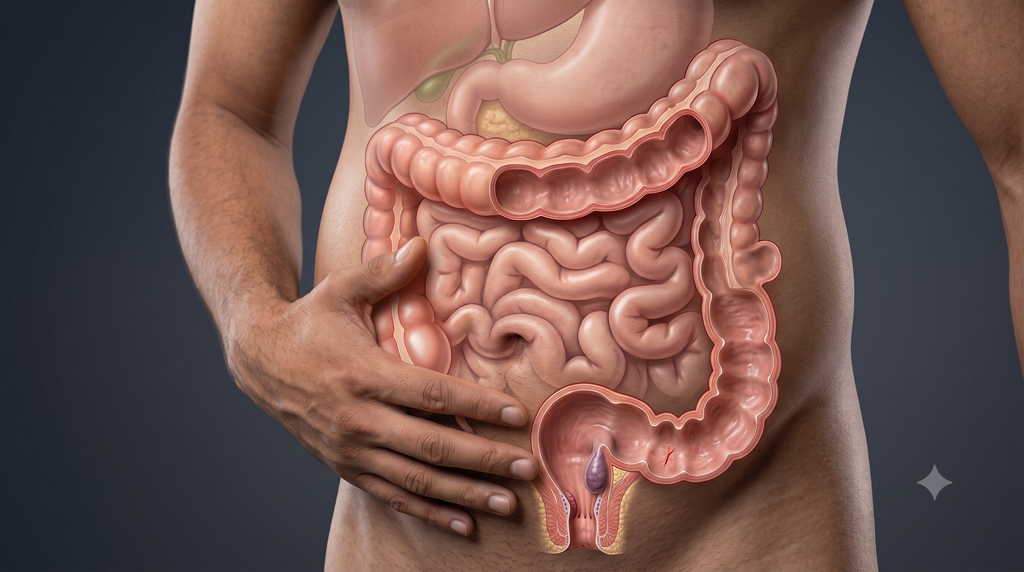
Piles & Fissures
Haemorrhoids and anal fissures can cause discomfort, pain, itching, or bleeding during bowel movements.
Ulcerative & Inflammatory Bowel Conditions
Inflammatory conditions affecting the gastrointestinal tract can cause symptoms such as abdominal pain, diarrhoea, fatigue, and changes in bowel habits.
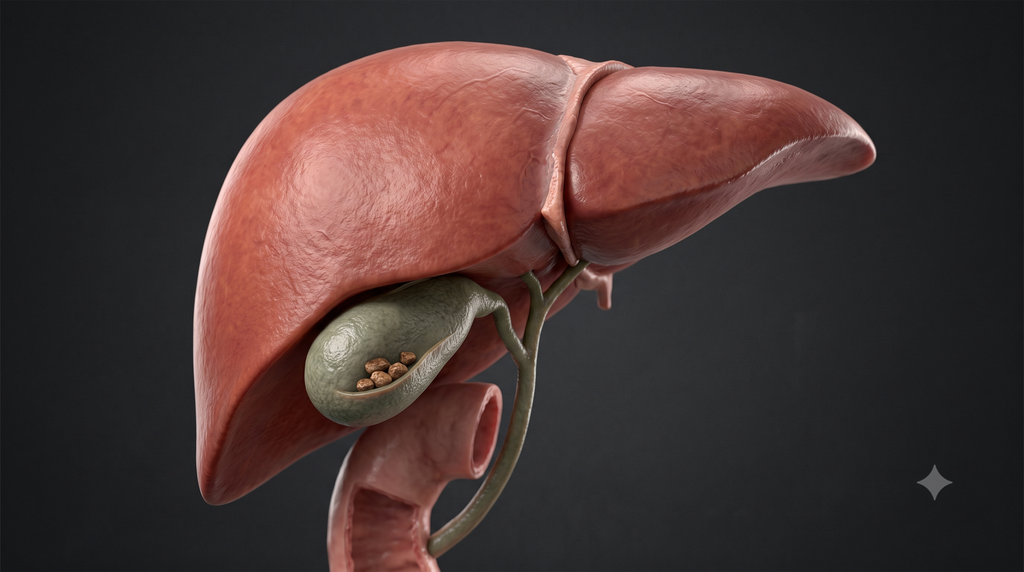
Liver & Gallbladder Concerns
The liver and gallbladder play important roles in digestion and metabolism. Conditions affecting these organs may require investigations & dietary management.
What Can Affect Digestive Health?
Digestive symptoms are often influenced by several factors rather than one isolated cause.

Diet
Irregular meals, highly processed foods, excessive alcohol, and individual food sensitivities may contribute to digestive symptoms.
A balanced and varied diet is an important part of maintaining gastrointestinal health.
Stress
The digestive system and nervous system are closely connected. Stress can influence gastrointestinal function and may worsen symptoms in some individuals, particularly those with functional digestive conditions such as IBS.


Eating Patterns
Eating too quickly, irregular meal timings, inadequate chewing, and consistently overeating may affect digestive comfort.
Hydration
Adequate fluid intake supports normal bodily functions and is particularly important for maintaining healthy bowel habits.


Physical Activity
Regular movement and exercise can support overall metabolic and digestive health.
Medications & Lifestyle Factors
Certain medications, including some commonly used pain-relieving medicines, can affect the gastrointestinal system. Alcohol consumption and other lifestyle factors may also contribute to digestive problems.

Nutrition & Digestive Wellness
Food plays an important role in gastrointestinal health.
At PRANA, nutritional guidance may form part of an individual’s care plan, depending on their needs.
The focus may include:
- Balanced meals
- Adequate fibre intake
- Appropriate hydration
- Regular meal patterns
- Reduced dependence on highly processed foods
- Understanding individual dietary triggers
- Sustainable eating habits
Rather than following a universal diet, nutritional recommendations should be appropriate to the individual’s health, symptoms, nutritional requirements, and medical conditions.
Yoga & Digestive Wellness
Yoga can form another component of PRANA‘s Integrated Wellness approach.
Appropriately selected Yoga practices may support:
- Physical activity
- Relaxation
- Stress management
- Breathing patterns
- Mind–body awareness
Yoga should complement rather than replace appropriate medical evaluation and treatment for gastrointestinal conditions.
Homoeopathy Within GIT Care
At PRANA, Homoeopathy may be considered as a complementary component of an individual’s care plan, based on their clinical presentation and overall health history.
The approach focuses on understanding the individual’s symptoms and broader health picture rather than treating a digestive symptom in isolation.
Where investigations, specialist consultation, conventional treatment, or urgent medical care are indicated, these remain important components of responsible healthcare.
When Should You Seek Medical Attention?
Digestive symptoms should not always be attributed to diet or stress.
Medical evaluation is particularly important when symptoms are:
- Persistent or worsening
- Associated with unexplained weight loss
- Accompanied by blood in the stool or vomit
- Associated with persistent vomiting
- Accompanied by severe abdominal pain
- Associated with difficulty swallowing
- Accompanied by significant changes in bowel habits
- New or unexplained, particularly in older adults
Early evaluation can help identify conditions that require specific medical treatment.
An Integrated Approach to Digestive Health
Digestive health is influenced by the interaction of nutrition, lifestyle, stress, physical activity, medications, and individual health factors.
At PRANA, GIT Care brings these perspectives together through an Integrated Wellness framework.
Depending on the individual’s needs, care may incorporate:

Homoeopathy
Individualised complementary care.
Nutrition & Dietetics
Personalised dietary assessment and guidance.


Yoga Therapy
Appropriately selected practices supporting movement, relaxation, and mind–body awareness.
A healthy digestive system is not just about what you eat. It is about understanding the whole picture.