
Cancer Care at PRANA
Individualised Support. Integrated Care. Whole-Person Wellness.
A cancer diagnosis can affect much more than the disease itself. Alongside medical treatment, individuals may experience changes in energy, appetite, digestion, sleep, emotional well-being, physical comfort, and overall quality of life.
Cancer care therefore often involves more than treating the disease alone.
At PRANA, Cancer Care forms part of our Integrated Wellness approach, where complementary therapies may be considered alongside appropriate oncology care to support the individual’s overall well-being.
Our focus is not to replace cancer treatment.
It is to support the person going through it.
Understanding Cancer
Cancer refers to a group of diseases in which abnormal cells grow and multiply in an uncontrolled manner. It can develop in different organs and tissues, and each type of cancer can behave differently.
Cancer care depends on several factors, including:
- Type and location of cancer
- Stage of the disease
- Overall health
- Treatment history
- Individual symptoms
- Response to treatment
Depending on the diagnosis, conventional cancer treatment may include surgery, chemotherapy, radiation therapy, targeted therapy, immunotherapy, hormone therapy, or combinations of these approaches.
The appropriate treatment is determined by the patient’s oncology team.
Why Supportive Care Matters
Cancer treatment can place significant physical and emotional demands on an individual.
People undergoing treatment may experience:
- Fatigue
- Changes in appetite
- Digestive discomfort
- Sleep disturbances
- Stress and anxiety
- Reduced physical activity
- Emotional challenges
- Changes in overall quality of life
Supportive care focuses on helping individuals manage these challenges while continuing their primary cancer treatment.
At PRANA, the individual’s symptoms, health history, treatment journey, lifestyle, and overall well-being are considered when developing a supportive wellness plan.
Cancer Care at PRANA
PRANA’s approach brings together appropriate wellness disciplines according to the individual’s needs.
Homoeopathy
Homoeopathic care may be considered as a complementary approach based on the individual’s symptoms and overall clinical picture.
It is not intended to replace oncology treatment or interfere with prescribed cancer therapy.
Nutrition & Dietetics
Nutrition can be an important part of supportive cancer care.
Individual nutritional guidance may focus on maintaining adequate nourishment, hydration, and dietary support according to the person’s condition and ongoing treatment.
Nutritional recommendations should take into account the cancer diagnosis, treatment, appetite, digestive symptoms, and advice from the patient’s oncology and nutrition team.
Yoga Therapy
Appropriately adapted Yoga practices may support:
- Gentle movement
- Relaxation
- Breathing awareness
- Stress management
- Physical and mental well-being
Yoga practices are adapted according to the individual’s health status, energy levels, treatment stage, and physical capacity.
Other Supportive Therapies
Where appropriate, other PRANA modalities may be considered as part of an individual’s broader wellness plan.
The choice of therapy depends on the person’s condition, medical treatment, symptoms, and clinical requirements.
Supporting Quality of Life
Cancer care is not only about the disease. It is also about helping individuals maintain the best possible quality of life throughout their treatment journey.
Support may focus on areas such as:

Physical Well-being
Supporting appropriate movement, rest, nutrition, and everyday functioning.
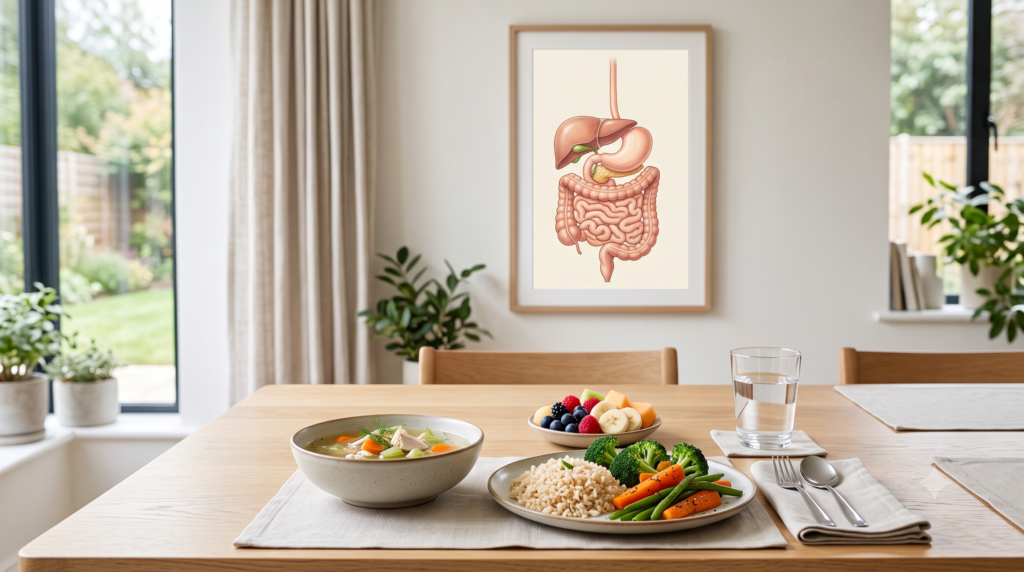
Digestive Well-being
Addressing nutritional and digestive concerns that may arise during treatment, with appropriate medical guidance.

Sleep & Relaxation
Encouraging healthy routines and relaxation practices to support restorative rest.
Emotional Well-being
Creating space to address stress, uncertainty, and the emotional challenges associated with a cancer diagnosis.


Lifestyle Support
Helping individuals build sustainable routines around nutrition, movement, sleep, and self-care.
A Personalised Approach
Every person’s cancer journey is different.
There is no single wellness plan that is appropriate for everyone.
At PRANA, the approach may consider:
- Cancer diagnosis and treatment history
- Current symptoms
- Medication and treatment plan
- Nutritional status
- Physical activity
- Sleep
- Stress and emotional well-being
- Existing medical conditions
- Individual goals and preferences
This information helps determine which supportive approaches may be appropriate.
Working Alongside Your Oncology Team
Your primary cancer treatment remains central to your care.
PRANA’s Cancer Care approach is intended to complement, not replace, treatment provided by qualified oncologists and other medical professionals.
Patients should inform their oncology team about any complementary therapies, supplements, medicines, or significant dietary changes they are considering.
Some complementary treatments or supplements may interact with cancer medicines or affect treatment. Appropriate coordination between healthcare professionals is therefore important.
When You Need Medical Attention
Cancer-related symptoms should never be managed solely through complementary care.
Seek appropriate medical evaluation for:
- New or worsening symptoms
- Persistent pain
- Unexplained weight loss
- Persistent vomiting
- Difficulty breathing
- Significant bleeding
- New neurological symptoms
- Fever or signs of infection
- Significant changes during cancer treatment
If you are currently undergoing cancer treatment, changes to prescribed medicines or treatment should only be made under the guidance of your oncology team.
Cancer Care at PRANA
At PRANA, Cancer Care is built around a simple principle:
Treat the person, support the journey, and respect the science of cancer care.
Through an Integrated Wellness approach, complementary disciplines such as Homoeopathy, Nutrition & Dietetics, and Yoga Therapy may be considered alongside appropriate medical and oncology care.
The objective is to provide individualised supportive care focused on well-being, resilience, and quality of life throughout the cancer journey.