
Geriatric Care at PRANA
Supporting Health, Independence & Quality of Life Through Every Stage of Ageing
Ageing is a natural process, but the health needs of older adults can become increasingly complex.
Senior citizens may experience several concerns at the same time – from changes in sleep and mobility to digestive, urinary, nutritional, emotional, and cognitive concerns.
Geriatric Care focuses on understanding these needs as a whole rather than treating each concern in isolation.
At PRANA, our approach to Geriatric Care forms part of our Integrated Wellness model, bringing together appropriate clinical care, nutrition, movement, Yoga Therapy, and supportive wellness approaches according to the individual’s needs.
Understanding Geriatric Care
Geriatric care focuses on the health and well-being of older adults, with an emphasis on:
- Managing age-related health concerns
- Supporting functional independence
- Maintaining mobility and physical activity
- Supporting nutrition and healthy routines
- Addressing sleep and emotional well-being
- Managing multiple ongoing health concerns
- Supporting overall quality of life
Older adults may experience several health concerns simultaneously. This makes individualised assessment and coordinated care particularly important.
Common Concerns in Older Adults
Sleep & Insomnia
Changes in sleep patterns are common with ageing. Older adults may experience difficulty falling asleep, frequent waking, reduced sleep duration, or increased daytime sleepiness.
Persistent insomnia can affect energy, concentration, mood, and everyday functioning and should be appropriately assessed.
Memory & Cognitive Changes
Occasional forgetfulness can occur with ageing. However, persistent or progressive changes in memory, thinking, behaviour, or the ability to perform everyday activities should be medically evaluated.
At PRANA, cognitive concerns are considered in the context of the individual’s overall health, lifestyle, medications, and clinical history.
Dry & Sensitive Skin
Ageing can alter the skin’s natural moisture barrier and reduce oil and sweat production.
This can contribute to:
- Dryness
- Flaking
- Itching
- Increased skin sensitivity
- Cracking or irritation
Appropriate skin care, hydration, nutrition, and assessment of underlying factors can form part of an individual’s wellness plan.
Prostate & Urinary Health
Urinary symptoms become more common with increasing age, particularly in men.
Benign prostatic hyperplasia (BPH), for example, can cause symptoms such as:
- Frequent urination
- Difficulty starting urination
- Weak urinary stream
- Increased nighttime urination
- A feeling of incomplete bladder emptying
These symptoms should be medically assessed because similar symptoms can have different causes.
Digestive & Bowel Health
Changes in diet, hydration, physical activity, medications, and gastrointestinal function can influence digestive health in older adults.
Common concerns may include:
- Constipation
- Indigestion
- Bloating
- Changes in bowel habits
- Reduced appetite
Persistent or unexplained digestive symptoms require appropriate medical evaluation.
Nutrition & Healthy Ageing
Nutrition becomes particularly important as nutritional requirements, appetite, digestion, and physical activity may change with age.
At PRANA, nutritional guidance may focus on:
- Balanced meals
- Adequate protein and nutrient intake
- Appropriate hydration
- Fibre intake
- Healthy eating routines
- Individual dietary requirements
Nutrition plans should take existing medical conditions, medications, dietary restrictions, and individual nutritional needs into account.
Movement & Physical Well-being
Maintaining appropriate physical activity can help older adults preserve mobility, strength, balance, and independence.
Depending on an individual’s health and physical capacity, their wellness plan may incorporate:
- Gentle Yoga Therapy
- Mobility exercises
- Breathing practices
- Appropriate physical activity
- Lifestyle guidance
Activities should always be adapted to the individual’s health status and physical abilities.
Emotional Well-being in Later Life
Emotional health is an important part of healthy ageing.
Retirement, changing family roles, loss of loved ones, reduced independence, chronic illness, and social isolation can all affect emotional well-being.
Support may focus on:
- Stress management
- Emotional well-being
- Healthy routines
- Social engagement
- Maintaining independence
- Coping with major life transitions
Persistent depression, anxiety, confusion, or significant behavioural changes should be evaluated by an appropriate mental-health professional.
A Whole-Person Approach to Geriatric Care
Older adults often have multiple interconnected health needs.
For example, reduced physical activity may influence strength and mobility, while changes in mobility may affect independence and emotional well-being. Similarly, medications, diet, sleep, and existing health conditions may interact with one another.
This is why Geriatric Care at PRANA considers the individual as a whole.
Depending on the person’s needs, their wellness plan may incorporate:
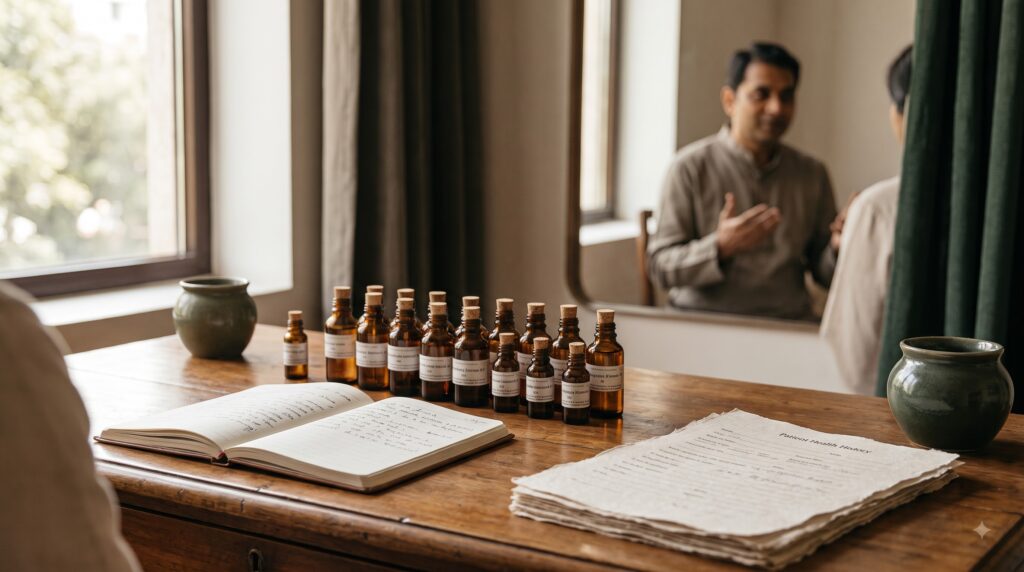
Homoeopathy
Individualised complementary care where appropriate.
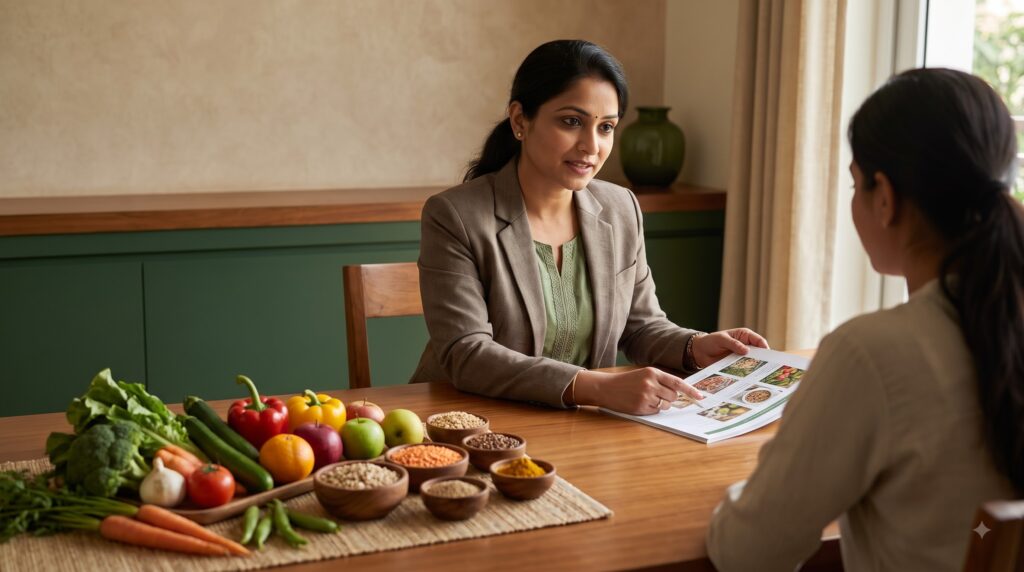
Nutrition & Dietetics
Support for balanced nutrition, hydration, and healthy dietary routines.

Yoga Therapy
Adapted movement, breathing, relaxation, and mobility practices.
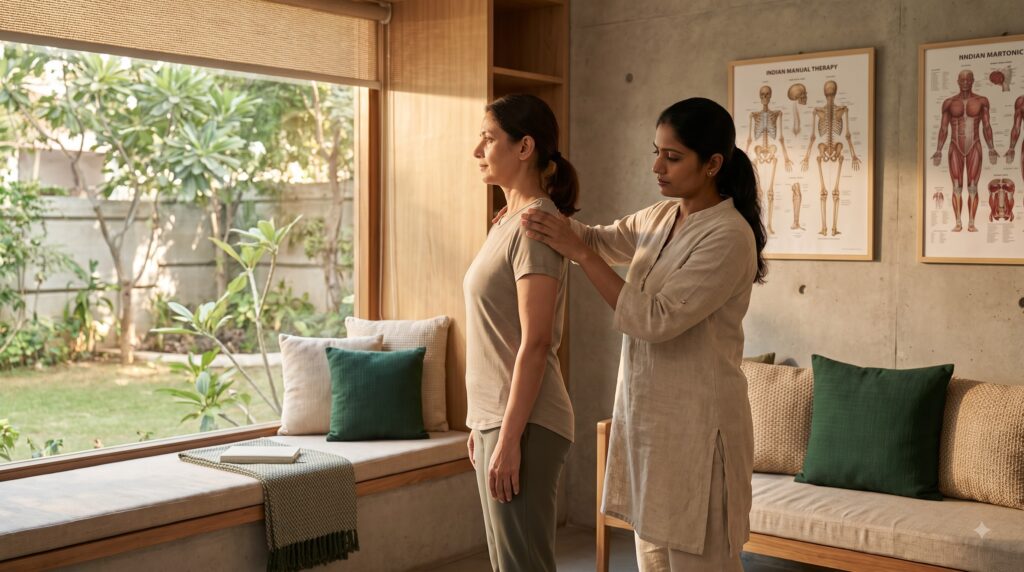
Osteopathy & Structural Care
Where appropriate, supportive manual approaches for mobility and musculoskeletal concerns.
Supporting Independence & Quality of Life
The goal of healthy ageing is not simply to manage individual symptoms.
It is also about helping older adults maintain:
Mobility
Independence
Confidence
Social connection
Healthy routines
Overall quality of life
At PRANA, Geriatric Care is approached with attention to the individual’s health history, current concerns, lifestyle, capabilities, and personal needs.
Ageing well is about supporting the person not simply treating the symptoms of age.