
Child Development & Disorders
Supporting the Child Beyond the Diagnosis
Child development is a complex and individual process. Differences in movement, communication, behaviour, learning, attention, and social interaction can affect not only the child, but also the family around them.
At PRANA, children are approached as individuals first – not simply as a diagnosis.
Our approach seeks to understand the child’s developmental history, presenting concerns, behavioural patterns, communication, physical abilities, and overall health, while considering appropriate therapeutic and medical support.
Autism
Autism is a neurodevelopmental condition that can present differently from one child to another. It may influence communication, social interaction, behaviour, sensory processing, attention, and learning.
Some children may experience:
- Differences in speech and language development
- Difficulty with social interaction and communication
- Reduced eye contact or difficulty engaging with peers
- Challenges with attention and concentration
- Hyperactivity or difficulties with behavioural regulation
- Sensory processing differences
- Anxiety or emotional regulation difficulties
- Sleep-related concerns
Understanding the Individual Child
There is no single presentation of Autism.
Two children with the same diagnosis may have very different strengths, challenges, developmental histories, and support requirements.
For this reason, assessment should look beyond the diagnostic label and consider the individual child’s overall developmental and behavioural picture.
At PRANA, Homoeopathic care may be considered as a complementary component of an individualised care plan, alongside appropriate developmental, educational, behavioural, speech and language, occupational, and medical interventions.
The aim is not to replace established interventions, but to consider the child as a whole and support their broader health and well-being.
Cerebral Palsy
Cerebral Palsy is a group of conditions affecting movement and posture, resulting from disturbances to the developing brain. Its presentation varies considerably between children.
In addition to motor difficulties, some children may experience challenges involving:
- Fine and gross motor development
- Muscle tone and coordination
- Balance and movement
- Speech and communication
- Sensory processing
- Learning and cognition
- Behaviour and emotional development
- Activities of daily living
Looking Beyond Motor Function
Cerebral Palsy is not a progressive neurological condition, but its functional expression can change as a child grows and develops.
Supporting the child therefore involves more than focusing solely on movement.
Appropriate care may involve a combination of physiotherapy, occupational therapy, speech and language therapy, developmental interventions, medical care, assistive technologies, and educational support, depending on the child’s individual requirements.
At PRANA, complementary care may be considered alongside these established interventions, with the child’s functional abilities, development, and overall well-being kept at the centre of the approach.
A Whole Child Approach
For children with developmental concerns, one dimension of health rarely tells the whole story.
At PRANA, the assessment may consider:
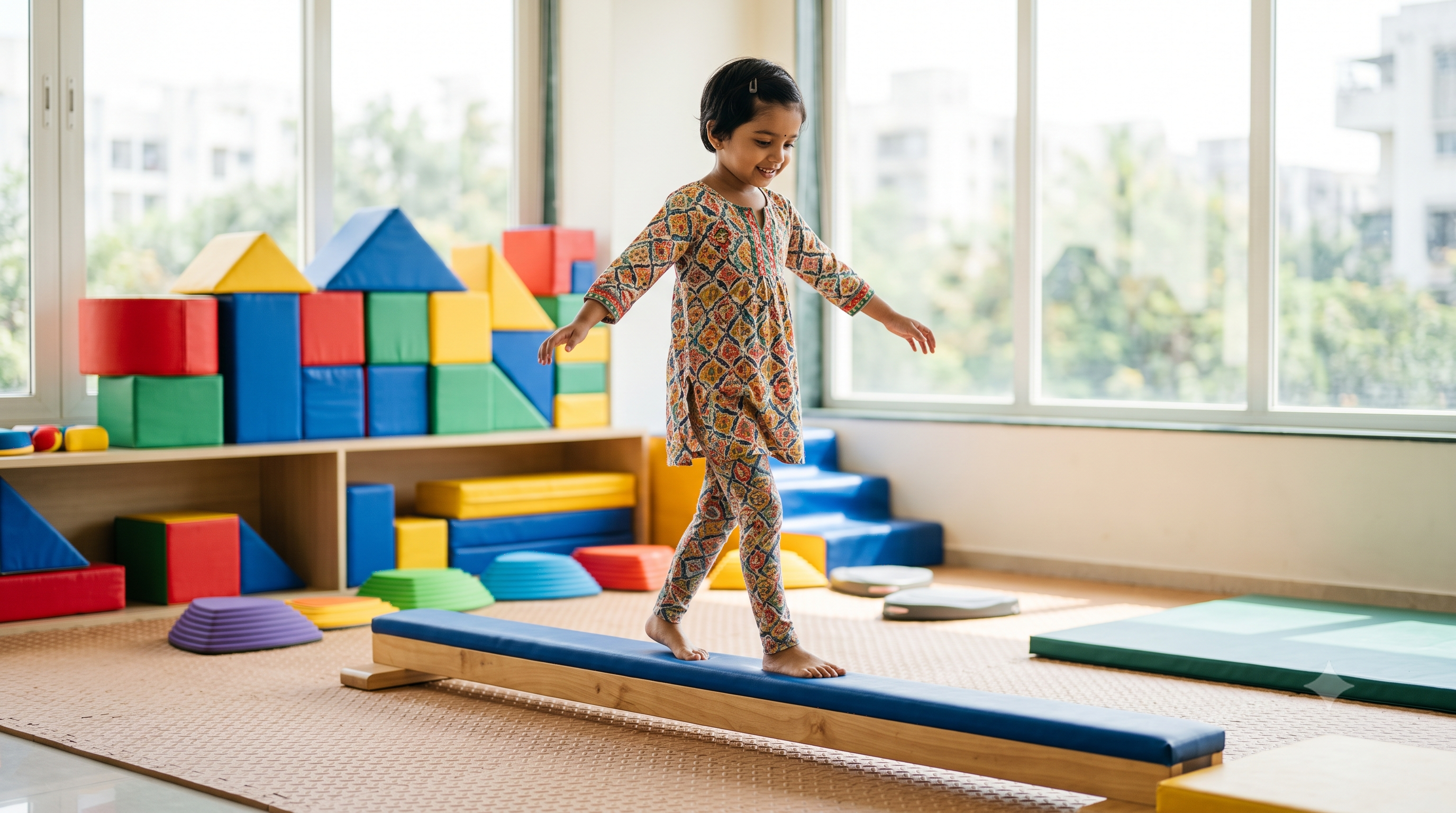
Physical Development
Movement, coordination, posture, muscle tone, and functional abilities.
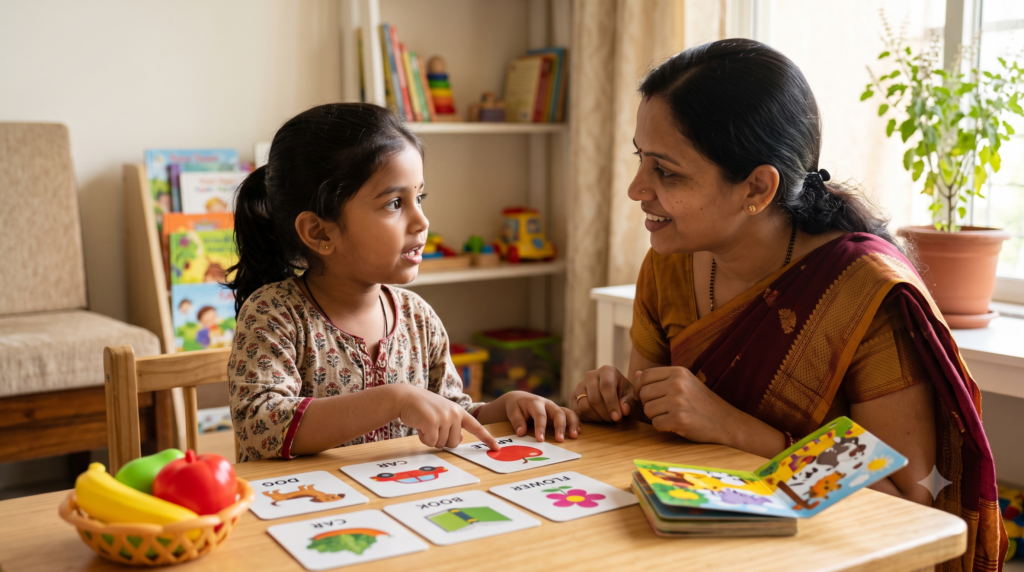
Communication
Speech, language, comprehension, expression, and interaction.
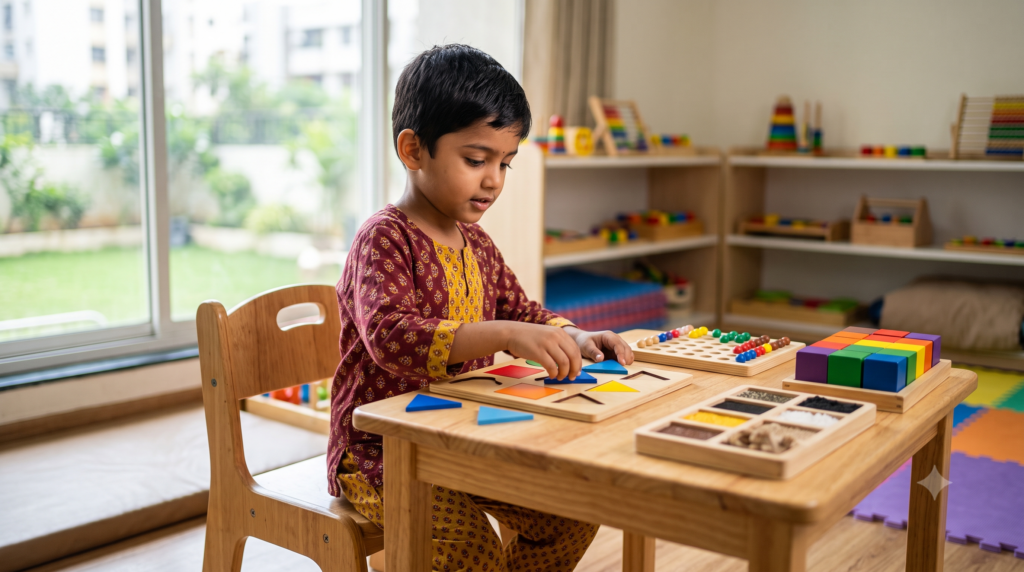
Behaviour & Attention
Activity levels, concentration, emotional regulation, and behavioural patterns.
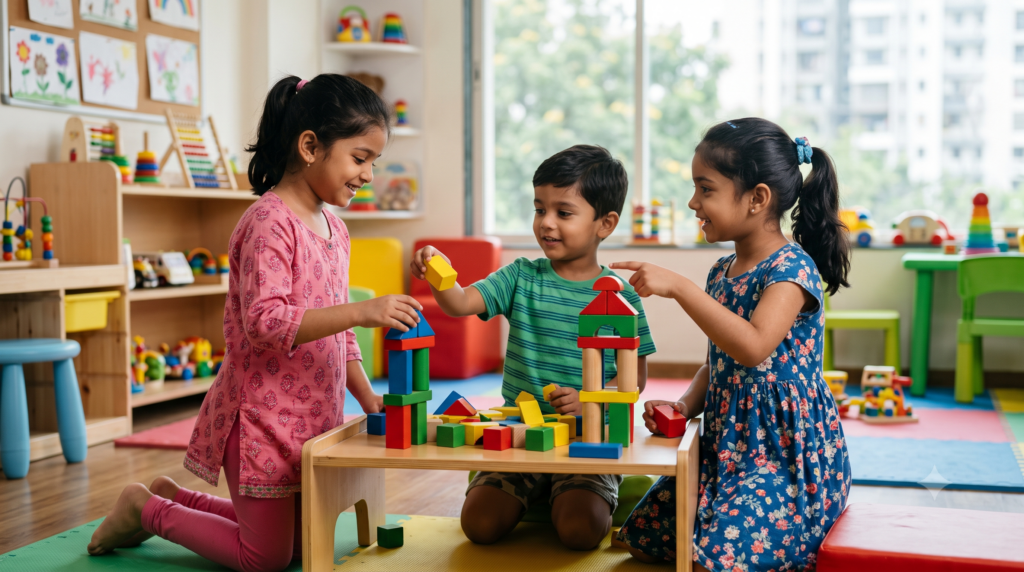
Social Development
Interaction, engagement, communication, and participation.
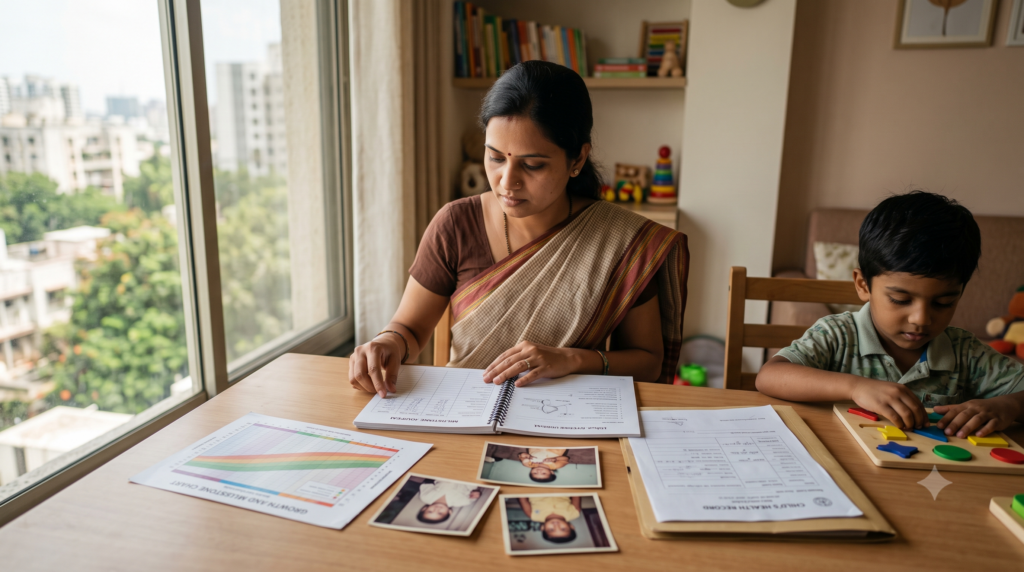
Developmental History
Early milestones, previous health concerns, family observations, and the child’s individual developmental journey.
An Integrated Approach to Child Care
Child Development & Disorders often require support from more than one discipline.
At PRANA, Homoeopathy may form part of a broader Integrated Wellness approach, with appropriate coordination alongside other therapeutic and healthcare interventions.
The focus is on:
- Understanding the child.
- Recognising individual strengths and challenges.
- Supporting development and function.
- Working alongside appropriate professional care.
- Keeping the child’s well-being at the centre.
Because a diagnosis describes a condition. It does not define the child.